


Key Points
- A “dupe” is a budget‑friendly piece that mimics the look or vibe of a higher‑end item without copying logos.
- Good dupes get proportions, fabric quality, and finishing right; bad ones cut corners with cheap materials or shoddy stitching.
- Always check real photos and honest user reviews — not just marketing shots.
- Beware of price-based illusions (“too good to be true” often means low quality).
- Doing a little homework goes a long way — a bit of research saves you from regret.
Dupe Hunting
If you’ve ever spotted a stunning item online that screams “expensive vibe, bargain price,” you’re not alone. Dupe culture is huge these days. The good news? With smart shopping and careful eyes, you can land stylish pieces without sacrificing too much quality. The catch: not all “dupes” are created equal. But don’t worry, we’ve got your back. Let’s walk through how to spot quality dupes and skip the junk.
What exactly is a “dupe” in fashion?
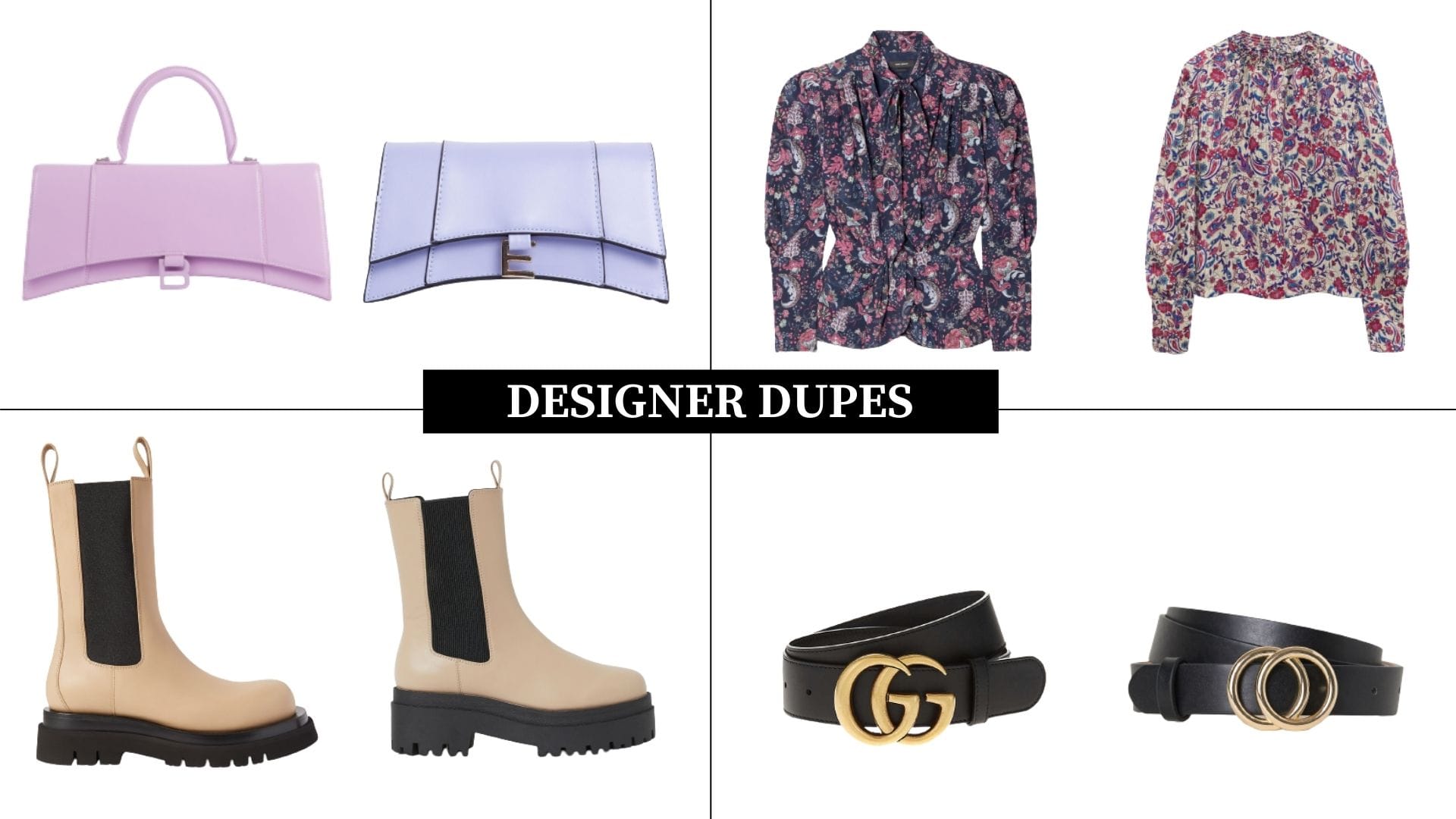
A dupe — short for “duplicate” — is basically a more affordable item that imitates the style or silhouette of a pricier piece, but steers clear of brand names, logos, or trademarked details.
Unlike counterfeits, dupes don’t try to pass off as the real deal. You’re wearing something inspired by a vibe you liked, without pretending it's the original.
It’s a way to enjoy a certain look or aesthetic, without the sticker shock — as long as you’re realistic about what a dupe can deliver.
What to look out for, and what to avoid
What’s worth checking
- Solid fabric or material weight: If you pick up a bag or a sweater and it feels thin, plasticky, or scratchy, that’s a red flag. Real dupe‑potential pieces feel more substantial.
- Good construction: clean seams, sturdy hardware (zippers, clasps, buttons), accurate proportions (shape, size). Cheap finishing usually equals short lifespan.
- Design details that echo the original’s vibe: without blatantly copying trademarked features. A silhouette or colour palette is fine. A near‑identical logo or iconic design element is risk — legally and quality‑wise.
- Realistic price: when something looks luxe but costs unbelievably little, ask yourself whether they cut corners somewhere.
What to avoid
- Items marketed as “luxury look for less” but with suspiciously low prices.
- Pieces shown only in polished studio shots, especially if no real customer photos exist.
- Vague descriptions: “premium feel”, “luxury-inspired” with no fabric or construction details.
- Cheap finishes: undone seams, loose threads, flimsy zippers or buttons, brittle hardware, or thin/material-lacking fabric.
Research Rewards Your Efforts
Here’s the part many skip, but it’s the most powerful tool in your dupe-hunting kit:
- Look for user reviews and photos. Real-world wear — after a few washes or regular use — reveals durability or flaws that slick product photos can’t hide.
- Compare different sellers. If multiple shops sell “similar” dupes, see which get consistently better feedback. That often signals more thoughtful manufacturing.
- Check for clear sizing guides and return policies. Confidence in one’s product shows: if a seller provides details and flexible return options, it’s a good sign they believe in the quality.
- Use review-focused platforms. Sites like Parallel (and other honest-review hubs) can be especially valuable — they aggregate buyer experiences so you see how items wear over time across different people and uses.
Dupe‑hunting checklist for 2026
Look for:
- Fabric that feels substantial
- Clean seams and well-finished hardware
- Real photos + honest reviews
- Pricing that’s reasonable, not shockingly low
Avoid:
- Obvious logos or near-copies of trademarked designs
- Only polished stock photos, no user-content images
- Vague sales pitches like “luxury look” without evidence of quality
Final thoughts
Dupes can be a clever style shortcut: you get similar vibes and aesthetics, at a fraction of the price, when you choose wisely. That means being realistic about what a dupe can deliver and being picky about quality.
Before you hit “buy”: do a little digging. Read reviews. Look at photos from real buyers. Compare a few sellers. Use trusted platforms like Parallel to see honest feedback. That handful of minutes could save you hours of buyer’s remorse.
Happy dupe‑hunting — may your style stay sharp and your wallet stay happy.
FAQs
Q: Are fashion dupes legal?
A: Generally, yes — as long as they don’t copy logos or trademarked design elements. Dupes steal the idea or vibe, not the branding.
Q: How can I tell a “good” dupe from junk?
A: Check fabric quality, stitching/finishing, look for real photos and honest reviews, and make sure the price doesn’t feel too good to be true.
Q: Should I trust social‑media dupe recommendations?
A: Not automatically. Many are paid promotions or use stock images. Cross‑check with review platforms or user feedback before buying.
Q: Are dupes more sustainable than buying originals?
A: Not necessarily. Some dupes are cheap and disposable — longevity matters. Buying based on quality (not just price) is key for sustainability.
Q: When should I skip a dupe and go for the original?
A: If it’s a classic, iconic piece you want to last years (like a timeless bag or biker jacket). But for trend‑driven or season‑specific items, a well‑chosen dupe can be a smart pick.
Q: What’s the smartest overall approach to dupes right now?
A: Use trusted review platforms, check real customer feedback, compare multiple sellers, and treat dupes as style‑experiment pieces rather than long‑term investments.